 PET-SHEET.COM


How to Reduce Packaging Cost Without Losing Quality
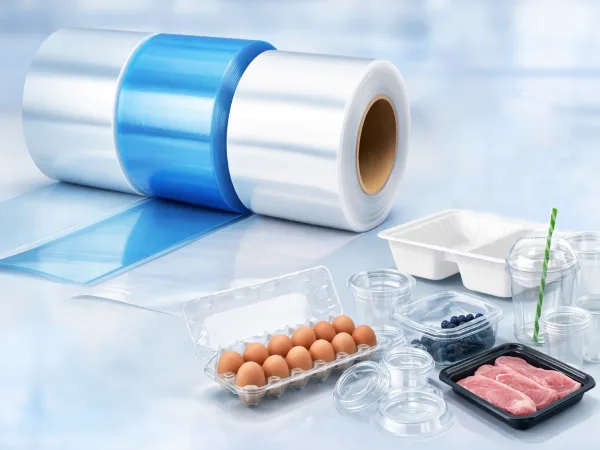
A Practical Guide for Blister Packaging Buyers and Manufacturers
Rising material prices, increasing logistics costs, and tighter margins— if you’re in packaging, you’ve felt the pressure.
But here’s the real challenge:
How do you reduce packaging cost without compromising quality?
Because cutting corners blindly often leads to bigger problems—product damage, customer complaints, or production inefficiencies.
The good news?
There are smarter ways to optimize cost without sacrificing performance.
Start with Material Optimization (Not Material Downgrade)
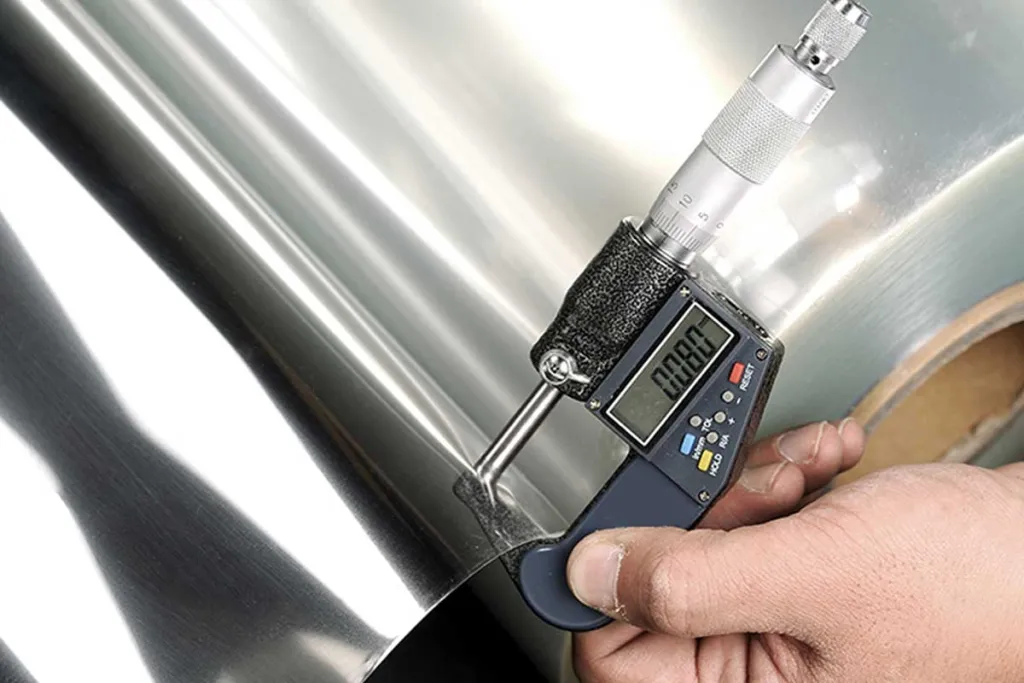
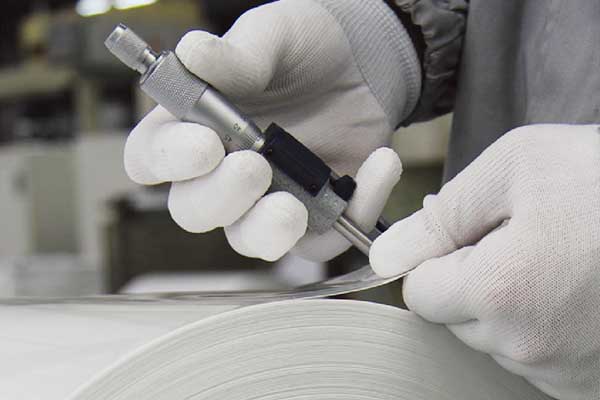

One of the most common mistakes buyers make is switching to a “cheaper material” too quickly.
A better approach is:
Optimize what you already use
For example:
- Slightly reducing sheet thickness (e.g. from 0.6mm to 0.5mm)
- Adjusting structure instead of material
- Using multi-layer sheets (like PET co-extrusion)
In many real cases, a 10–15% thickness reduction can be achieved without affecting performance—if the design supports it.
The key is not “cheaper material,” but smarter material usage.
Choose the Right Material for the Job (Avoid Over-Spec)
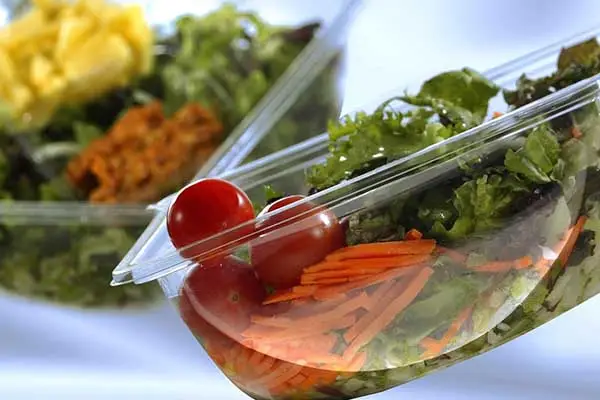
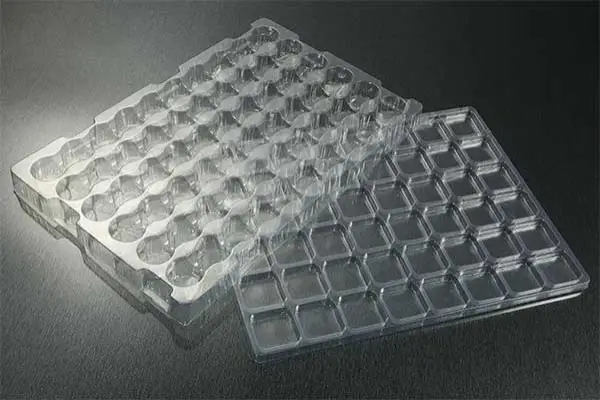
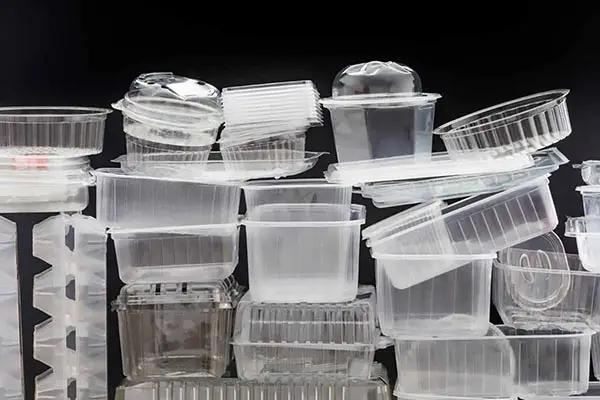
Over-specification is one of the biggest hidden cost drivers.
Typical example:
- Using PETG where APET would work
- Using high-impact material for low-risk products
Instead, match material to application:
- APET → cost-effective, ideal for food & retail packaging
- PETG → only when high impact or flexibility is required
- PP → lightweight, good for hinge or microwave use
- HIPS → economical for non-transparent applications
Choosing the right material often reduces cost more than negotiating price.
Improve Thermoforming Efficiency (Hidden Cost Killer)
Material cost is only part of the equation.
Production efficiency has a huge impact on total cost:
- Cycle time
- Scrap rate
- Forming consistency
Small improvements can deliver big savings:
- Better sheet flatness → fewer defects
- Stable thickness → consistent forming
- Optimized mold layout → less material waste
A 2–3% reduction in scrap can often outperform a 5% material price cut.
Design Smarter Packaging Structures
Cost reduction often starts in design—not purchasing.
Consider:
- Reducing unnecessary depth or complexity
- Improving rib structure for strength
- Using geometry instead of thickness for rigidity
For example:
A well-designed rib structure can allow thinner material without losing strength
This is widely used in:
- Electronics trays
- Food containers
- Blister inserts
Work with the Right Supplier (Not Just the Cheapest One)
The lowest price per kg doesn’t always mean the lowest total cost.
A reliable supplier can help you:
- Optimize sheet specifications
- Reduce forming defects
- Ensure consistent quality batch-to-batch
- Provide faster delivery and lower inventory risk
Inconsistent material = hidden cost (waste, downtime, complaints)
Consider Functional Additives Instead of Switching Materials
Instead of upgrading to a more expensive material, consider adding functionality:
- Anti-fog → for food packaging
- Anti-static → for electronics
- Impact-modified APET → alternative to PETG
This approach allows you to:
- Keep base material cost low
- Improve performance where needed
- Avoid over-engineering
Optimize Logistics and Packaging Density
Often overlooked, but highly effective:
- Stackability improvements
- Reducing packaging volume
- Optimizing pallet loading
Even small changes can reduce:
- Shipping cost
- Storage cost
- Handling time
Frequently Asked Questions (AEO Optimized)
How can I reduce packaging cost quickly?
Start by optimizing material thickness and improving forming efficiency. These usually deliver the fastest results.
Is using cheaper material a good idea?
Not always. It can lead to higher defect rates and overall cost increase.
What is the biggest hidden cost in thermoforming?
Scrap rate and inconsistent material quality.
Can design reduce packaging cost?
Yes. Smart structural design can significantly reduce material usage without affecting strength.
Final Thoughts
Reducing packaging cost isn’t about cutting quality.
It’s about making better decisions across the entire process:
- Material selection
- Product design
- Production efficiency
- Supplier collaboration
In many cases, the most effective strategy is not “buy cheaper”— but waste less and produce smarter.
CONTACT PET-SHEET.COM
Our professional sales staff and technicians will determine the final characteristics of the product and material solution for the customer specific application and will provide the customer with a quote and a detailed time schedule, Please fill the form to contact our professional sales team.- Main Category
- APET Sheet Roll
- ESD Antistatic PET Sheet Roll
- GAG Sheet Roll
- PETG Sheet Roll
- RPET Sheet Roll
- Thermoforming PET Sheet Roll
- Latest Products