 PET-SHEET.COM


How to Prevent PET Sheet Sticking During Thermoforming
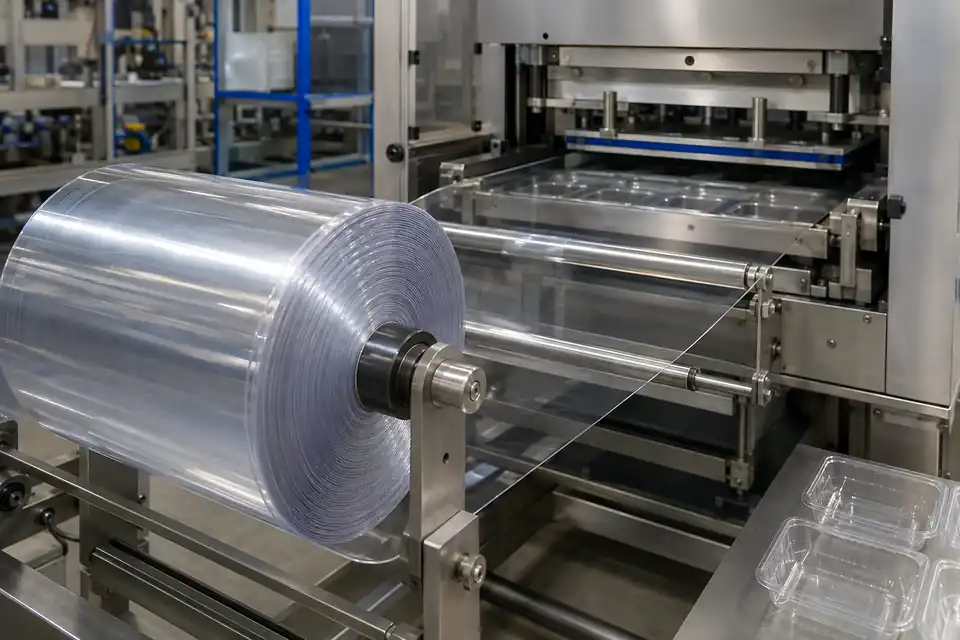
Do Not Change the PET Sheet Until You Know Where It Sticks
The roll unwinds reluctantly, the sheet hesitates at the feed, or a formed part refuses to release cleanly. All three problems may be described as PET sheet sticking, but they do not point to the same cause. Changing the material specification immediately can hide the real issue and make the next trial harder to interpret.
Our first recommendation is simple: identify the exact moment of failure. Is the sheet blocking layer-to-layer on the roll? Does it become difficult to handle only after heating? Or does the formed part hold onto the mold or plug? That decision comes before another temperature adjustment, a new surface treatment, or a supplier change.
For most thermoformers, the fastest route is to separate four groups of variables: roll condition and storage, feeding and surface contact, heating balance, and mold or plug interaction. Keep the current approved process as the baseline and change one item at a time. Otherwise, a successful run tells you very little about what actually improved.
Locate the Sticking Point Before Troubleshooting
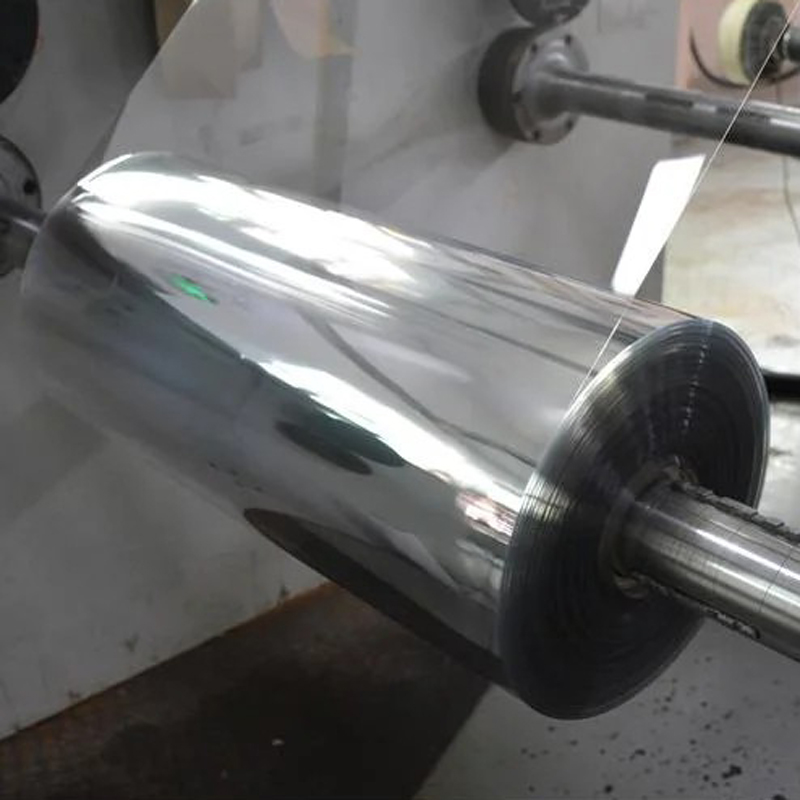
Watch one roll from loading through part release and note the first point where normal movement changes. The symptom matters more than the word sticking. Layer separation noise or excessive unwind force sends the investigation toward blocking and roll condition. Drag at guides or feed components calls for a surface-contact check. Uneven sag shifts attention to heating. A part that forms well but releases poorly puts the tool, plug, cooling, and release sequence higher on the list.
This quick separation prevents a common mistake: treating every release problem as evidence that the sheet needs more anti-block performance. Anti-block PET can be useful when the surface-to-surface behavior is genuinely limiting production. It will not correct an unbalanced heater profile, a damaged contact surface, or a release sequence that is poorly matched to the part.
| First visible symptom | Start the investigation here | Do not assume |
|---|---|---|
| Layers resist separation before entering the machine | Roll condition, storage history, winding pressure, and surface-to-surface blocking | That the mold or forming temperature is the cause |
| Sheet drags at guides, rollers, or the feed system | Contact surfaces, alignment, contamination, tension, and roll geometry | That a different PET formulation is the only answer |
| Sag or softness is uneven across the web | Heater balance, exposure time, indexing, and sheet presentation | That more heat will improve release |
| The part forms but holds on the mold or plug | Tool condition, plug contact, cooling, venting, and release timing | That roll blocking and tool sticking are the same problem |
Stabilize the Roll and Handling Conditions First
If the problem is already present during unwinding, stop before tuning the forming station. Compare the affected roll with a known stable roll under the same loading and feed arrangement. Look for telescoping, edge damage, uneven winding, contamination, curl, or a change in layer separation. Record where the difficulty begins and whether it is consistent across the roll width.
Storage and handling history also belong in the comparison, but avoid inventing a universal storage limit. The useful questions are practical: Did the roll experience a different environment? Was it kept in its protective packaging until use? Was the core or edge exposed to damage? Did the roll have time to reach the production area's conditions before it was opened and run? Apply the handling instructions approved for the selected sheet and packaging format.
One thing we would not recommend is changing heating, tension, and material at the same time. If the layers are difficult to separate before the sheet reaches the heaters, a heater change cannot explain the original symptom. First restore consistent unwinding and sheet presentation; then evaluate the forming behavior.
Separate Heating Problems from Mold or Plug Contact
When the sheet feeds normally but becomes troublesome in the forming zone, the next decision is whether the sheet is heating unevenly or releasing poorly after it has formed. Those can occur together, yet the correction sequence should remain controlled.
A uniform-looking sheet can still present an uneven thermal condition if heater zones, exposure, indexing, shielding, or sheet position differ across the web. Observe the sag pattern and the location of the sticking. A repeatable left-to-right pattern deserves a zone-by-zone process check. A defect tied to one cavity or plug deserves closer attention at the tool. Do not raise the entire heating profile simply because one area is holding.
If the Sheet Sticks During Feeding or Surface Contact
Clean and inspect the actual contact path: guides, rollers, chains, clamps, and any surface that touches the web. Confirm alignment and tension against the approved setup. A small deposit, rough point, or local pressure can create drag that looks like a material issue, especially when the mark repeats in the same position.
Then compare roll direction, surface orientation, and feed behavior with a stable run. If the PET has a functional surface, orientation may matter to later printing, bonding, or forming steps. Make that orientation explicit in the trial record instead of relying on memory.
If the Formed Part Sticks to the Mold or Plug
Inspect the cavity or plug that holds the part rather than treating the whole tool as one condition. Surface wear, contamination, vent condition, plug contact, cooling, and release timing can all change part release. Compare the sticking location with wall distribution and visible drag marks. That evidence is more useful than a general statement that PET is sticky.
In our experience, increasing heat first is usually premature. More heat may change sag and wall distribution without correcting the contact point that is holding the part. Restore the approved baseline, verify tool and process condition, and make the smallest testable adjustment.
Change One Variable and Keep a Production Baseline
A good trial is not the run with the most adjustments; it is the run that produces a clear decision. Keep the current approved roll and settings as the baseline. For each change, record the roll identity, sheet structure and gauge, surface orientation, machine, tool, heater setup, cycle conditions, observed sticking point, release behavior, trim result, and any downstream print or bond check that matters to the pack.
Run enough material to pass through the operating condition that normally triggers the defect. A short sample that never reaches steady production may look acceptable and still fail to answer the real question. If a change improves release but creates feeding, appearance, trimming, printing, or bonding problems, it is not a complete solution.
We usually separate material, machine, mold, and handling observations on the same trial sheet. That discipline is especially valuable during a supplier change, because two PET sheets with the same nominal gauge can behave differently in surface interaction and roll consistency. Approving by thickness and color alone leaves too much production risk unresolved.
When Anti-Block PET Is the Right Material Decision
Consider an anti-block PET specification after the investigation shows that surface-to-surface behavior remains the limiting factor under stable handling and machine conditions. If the defect disappears only after unrelated process changes, you have not yet proved that a new sheet surface is necessary.
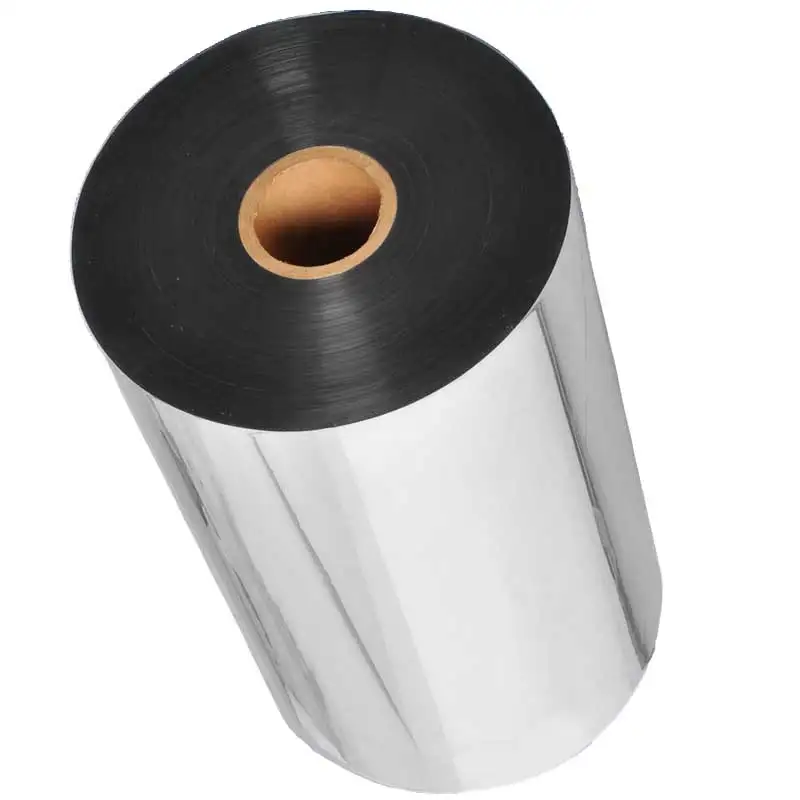
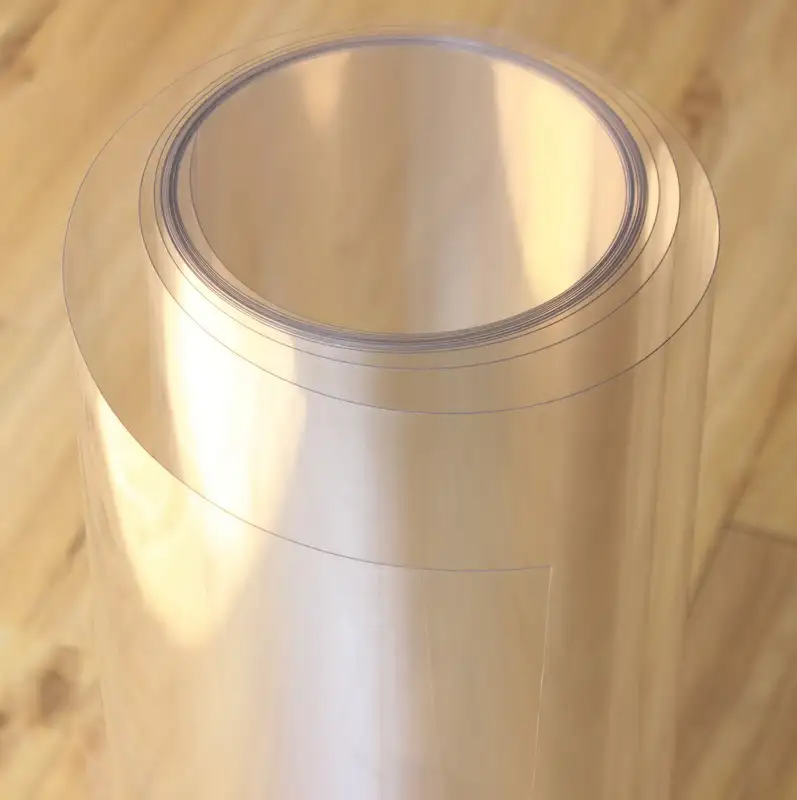
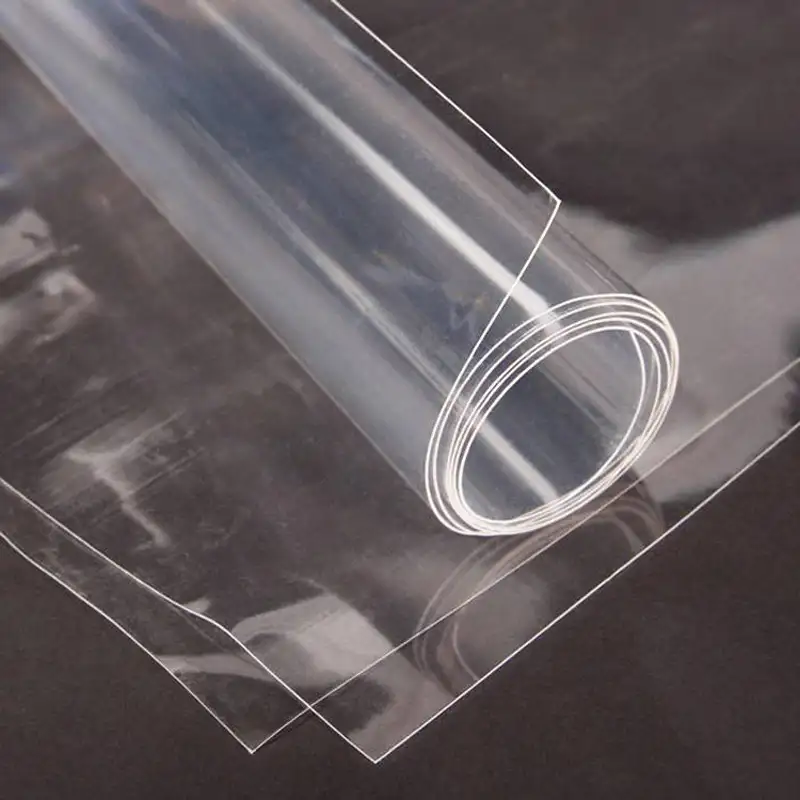
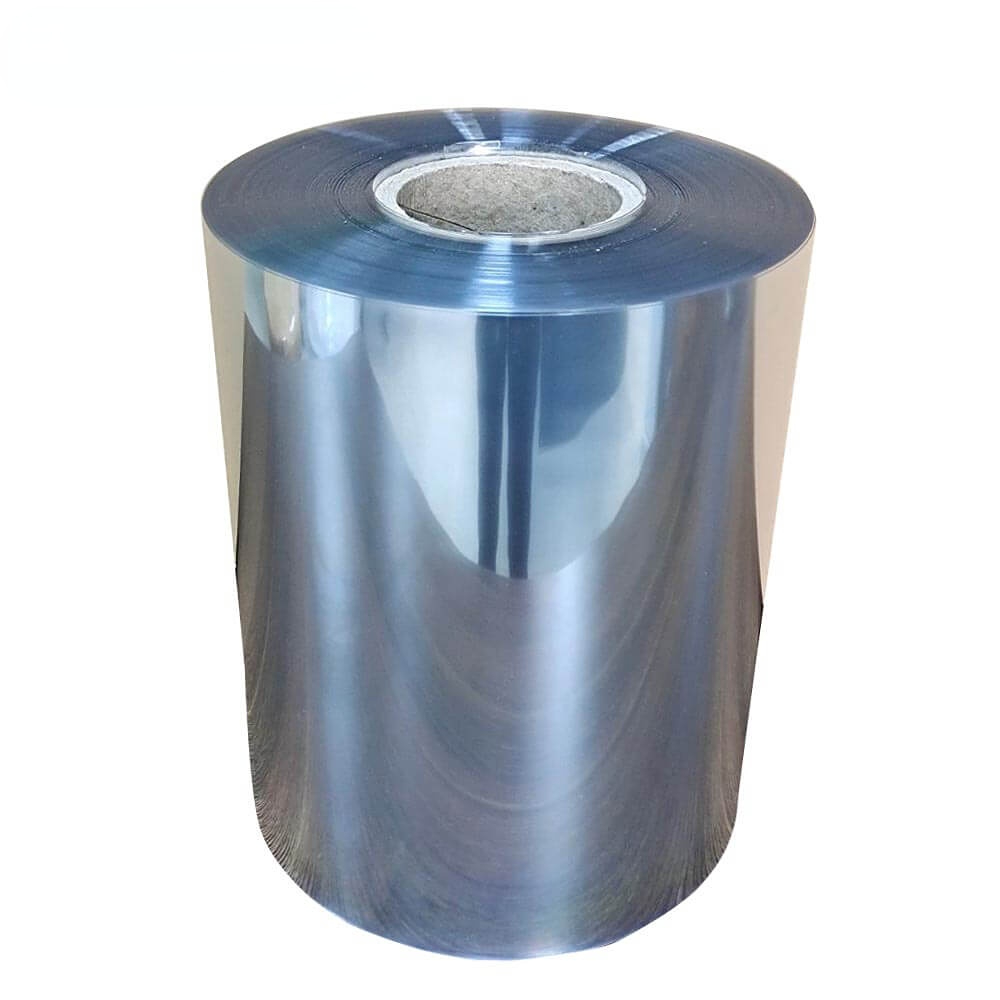
DESU manufactures thermoforming PET sheet and roll, including silicone-oil-coated PET and PET with embedded anti-block. Both are PET or R-PET options intended for thermoforming applications. Available gauges and roll formats should be confirmed for the selected structure, color, width, and application.
The deciding question is not simply which option releases better. Ask what happens after forming. If the sheet will be printed, bonded, sealed, or otherwise surface-processed, include that operation in the production-like trial. An option that resolves blocking but disrupts a critical secondary operation has moved the problem rather than solved it.
| Option | Useful starting situation | What the trial must confirm |
|---|---|---|
| Silicone-oil-coated anti-block PET | Surface separation is the confirmed issue and a coated PET surface fits the process route | Unwinding, feeding, forming, part release, surface orientation, and every required secondary operation |
| Embedded anti-block PET | The project needs anti-block behavior without a silicone-oil-coated surface | Forming and release plus project-specific printing or bonding compatibility |
| Current PET specification | The root cause is handling, heating, feed contact, or tooling rather than layer blocking | That the corrected process remains stable through a representative production run |
Build a Trial That Produces a Purchasing Decision
Before requesting samples, send the sheet supplier a concise description of the failure. State whether sticking occurs on the roll, during feeding, after heating, on the mold, or at the plug. Include the PET structure, gauge, width, roll format, forming method, part geometry, tool or plug contact, and the downstream operations that the sheet must pass.
Define acceptance in observable terms. Layer separation should remain stable; feeding should not introduce drag or marks; the heating pattern should remain controllable; parts should release consistently; and the formed output should meet the project's appearance, trimming, printing, bonding, or sealing requirements. Use the measurements and sampling method already approved for the project rather than adding an unsupported universal tolerance.
Cost comes after usable output. A lower sheet quotation has little value if it increases stops, scrap, labor, or qualification work. Compare the stable output from the full forming route, not only the price per kilogram or the ease of separating a hand sample.
What to Put in the Anti-Block PET Specification
A repeatable order needs more than the phrase anti-block PET. Identify PET or R-PET structure, target gauge and width, roll dimensions and winding direction, color and appearance, surface treatment, treated-side orientation where relevant, thermoforming application, and the required downstream processes. Add the agreed inspection method, sampling approach, packaging, labeling, and trial reference.
Also describe the risk you are trying to control. Is it roll blocking, feed drag, tool release, or a combination? A supplier cannot evaluate the surface requirement well if the symptom is reduced to sheet sticks. The more precisely you locate the failure, the easier it is to recommend a trial without overspecifying the material.
Our practical view is that anti-block performance should be approved together with the complete process route. Forming alone is not enough when the finished part will be printed, bonded, or sealed. Keep the successful trial conditions with the purchase specification so a later repeat order can be judged against the same operating target.
FAQ About PET Sheet Sticking
These are the questions that usually remain after the first troubleshooting run.
Does PET sheet sticking always mean I need anti-block PET?
No. First identify whether the failure starts between roll layers, at the feed path, during uneven heating, or at the mold or plug. Anti-block PET is a reasonable trial when surface-to-surface blocking remains the verified limit after handling and process conditions are stable.
Should I increase the heating temperature when PET sticks to the mold?
Not as the first response. Return to the approved baseline and check the location of the sticking, heater balance, sag pattern, tool surface, venting, plug contact, cooling, and release timing. Change one controlled variable and compare it with the baseline; a universal temperature recommendation would ignore the sheet, machine, and part geometry.
How do I choose between coated and embedded anti-block PET?
Start with the full process route. A silicone-oil-coated option may be evaluated when a coated surface fits the application, while embedded anti-block PET is the starting point when the project calls for anti-block behavior without that coated surface. Trial forming, release, and all required printing or bonding steps before approval.
Can a hand sample prove that a PET roll will run without sticking?
No. A hand sample can reveal obvious layer separation or surface issues, but it does not reproduce winding, continuous feeding, heating, tool contact, or a stable production cycle. Use a production-like roll trial that reaches the condition where the original defect normally appears.
What information should I send when requesting an anti-block PET trial?
Send the sticking point, current PET structure and gauge, sheet width and roll format, machine and forming method, part geometry, mold or plug details, surface orientation, downstream printing or bonding needs, and the acceptance criteria. Photos or video of the first failure point can also make the technical discussion more precise.
Discuss Your PET Sheet Trial with DESU
If sticking continues after the baseline checks, send DESU the roll specification, forming machine, part and tool details, exact failure point, and required secondary operations. As a manufacturer of thermoforming PET sheet and roll, we can help compare the current construction with silicone-oil-coated or embedded anti-block PET and define a controlled trial for your production route.
CONTACT PET-SHEET.COM
Our professional sales staff and technicians will determine the final characteristics of the product and material solution for the customer specific application and will provide the customer with a quote and a detailed time schedule, Please fill the form to contact our professional sales team.- Main Category
- APET Sheet Roll
- ESD Antistatic PET Sheet Roll
- GAG Sheet Roll
- PETG Sheet Roll
- RPET Sheet Roll
- Thermoforming PET Sheet Roll
- Latest Products